
Daytime ABA
Your Child’s Preschool, Built for How They Learn.
For young children with autism, the early years are everything. Our full-time, center-based ABA program is designed to give your child a preschool-like experience, but with the individualized clinical support they need to grow and connect.

What Is Center-Based ABA Therapy?
Applied Behavior Analysis is the gold standard in autism therapy. It’s a research-backed, data-driven approach that helps children with autism build new skills, reduce challenging behaviors, and develop the communication, social, and independence skills they need to thrive.
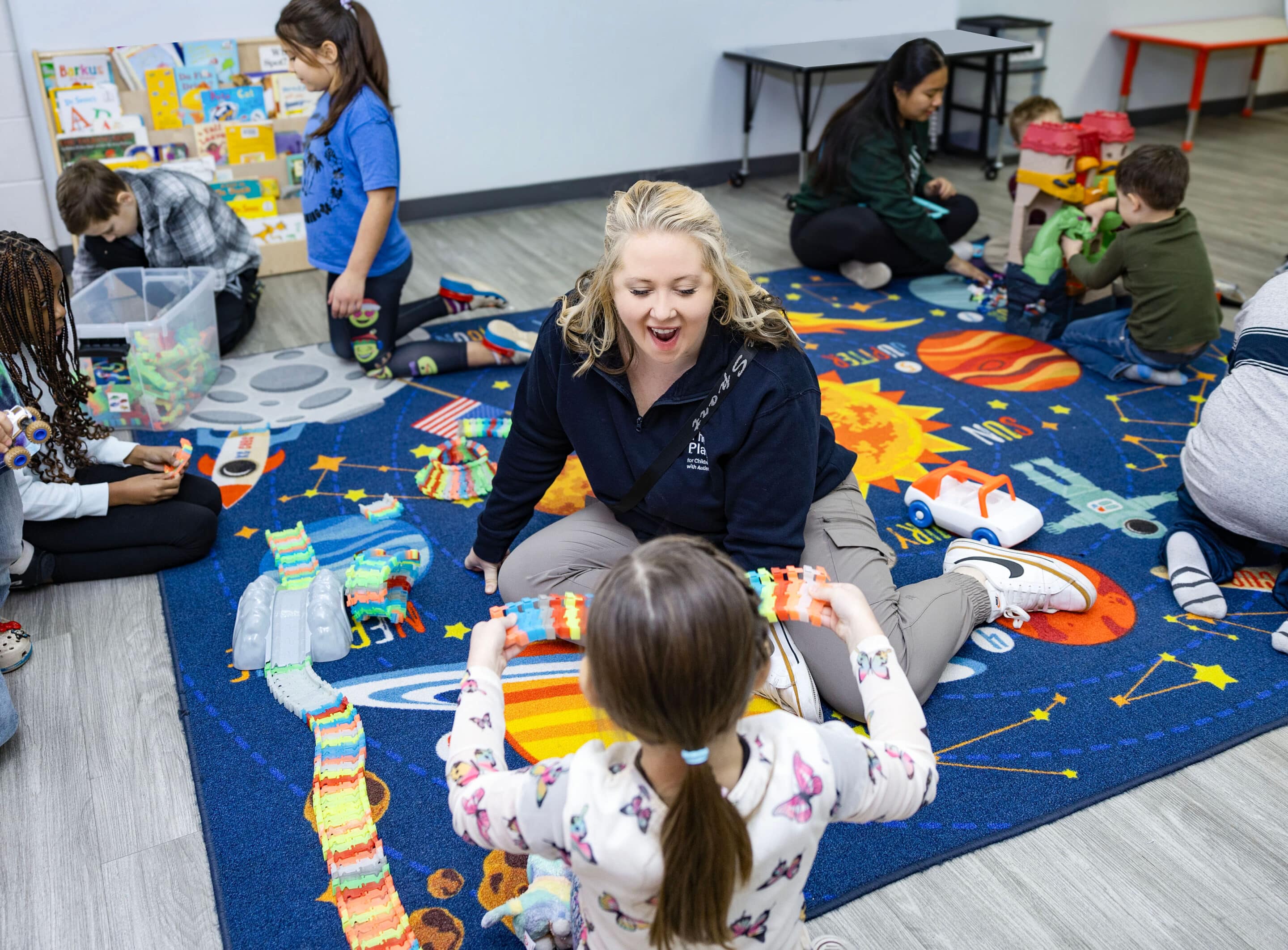
In a center-based program, children practice those skills throughout the day in a preschool-like environment with peers, routines, and real-life interaction.
How ABA Therapy at The Place Works
At The Place, ABA therapy starts with understanding your child and then building a plan that evolves as they grow.
Assess
Using research-backed tools, we identify your child’s current skills and the gaps we need to close to help them reach their milestones.
Plan
Your child’s BCBA develops a customized treatment plan based on their unique strengths and needs, as well as your family’s goals.
Reinforce
Using positive reinforcement, we encourage new skills and behaviors, celebrating progress every step of the way.
Measure
Progress is tracked daily, and treatment plans are reassessed every 6 months to keep goals aligned with your child’s current progress.
Benefits of ABA Therapy
ABA therapy has helped thousands of children with autism make remarkable, lasting progress. Here’s what it can do for your child:
Stronger Communication
Helping children express themselves more clearly and confidently.
Meaningful Social Skills
Building connection through play, conversation, and peer interaction.
Greater Independence
Supporting everyday routines and self-care skills that build confidence.
Reduced Challenging Behaviors
Replacing challenging behaviors with safer and more effective alternatives.
School Readiness
Helping children feel more prepared for classroom routines and group learning.
Better Quality of Life for the Whole Family
Creating more confidence, stability, and support for families at home.
95% of families at The Place say their quality of life has improved since starting treatment.
Our Approach to ABA Therapy
We believe children learn best when therapy feels engaging, supportive, and connected to real life.
Positive Reinforcement
We focus on what motivates your child so learning feels fun, encouraging, and worth celebrating.
Thoughtful Clinical Oversight
An experienced BCBA closely monitors your child’s progress and helps guide therapy as they grow.
Built Around Your Child
No two children learn the same way. Therapy is shaped around your child’s strengths, needs, and goals.
Environment for Real-Life Learning
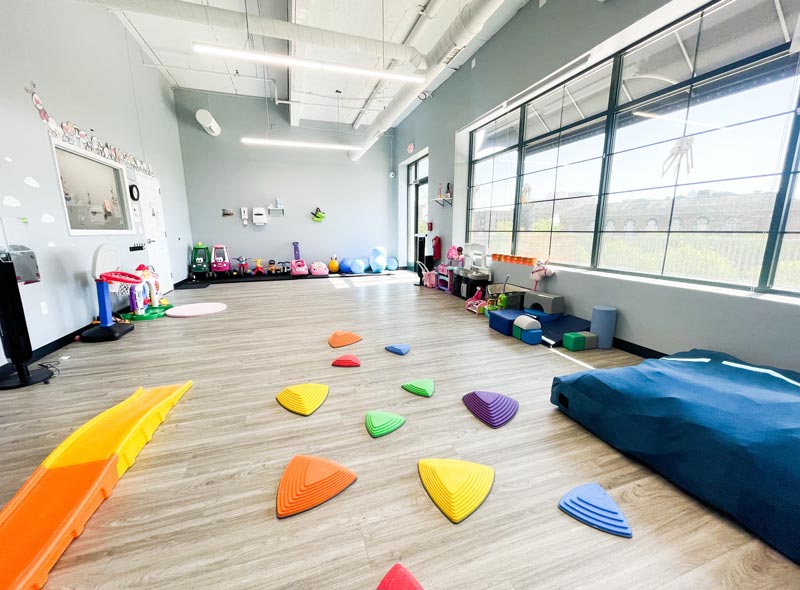
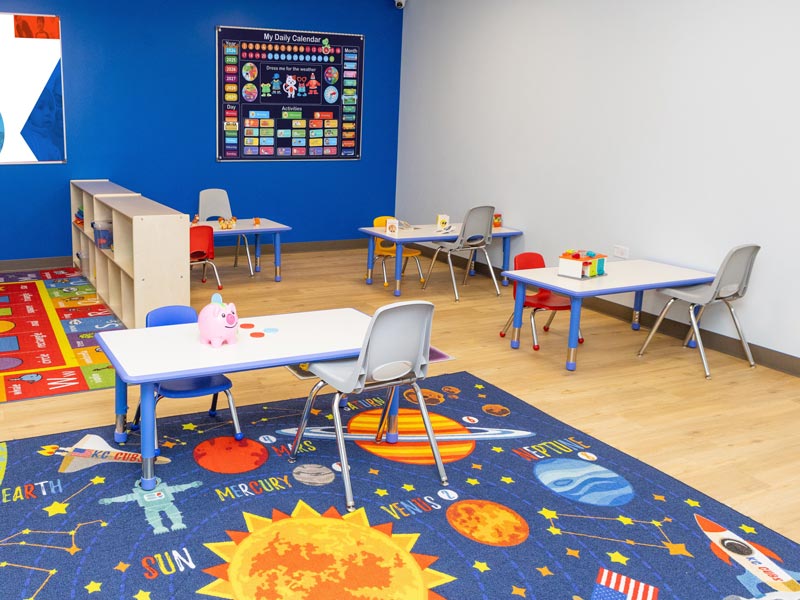
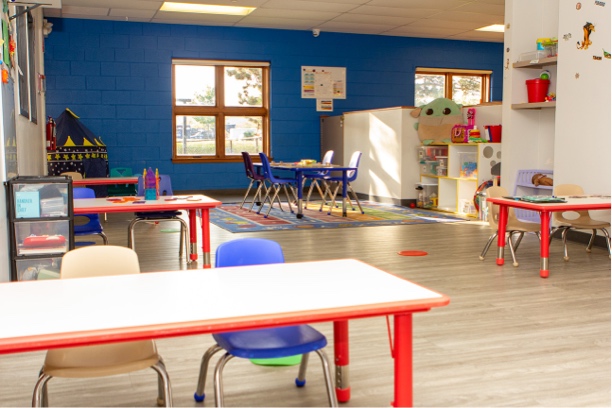
Our centers are designed to mirror a preschool classroom, helping children build skills that carry into school and everyday life.
Celebrating Progress
We celebrate every step forward — from big milestones to small everyday wins.
Families Belong Here Too
We give families the tools, support, and guidance to help children continue growing at home and in the community.
A Place to Feel Comfortable
Our centers are designed to feel warm, welcoming, and supportive for both children and families.
Our BCBAs provide 13% case oversight, compared to the industry standard of 10%.
Your Child’s Day
Our full-time program runs Monday through Friday, 8 am–4:30 pm, for children ages 2–9. Every child receives 1:1 therapy from a trained RBT, supervised by a master’s-level BCBA, and woven into a full preschool day of play, learning, and connection.
Visual schedule block:
Here Is an Example Daily Schedule
- 8:00 a.m. – 8:30 a.m.: drop off / imaginative play time
- 8:30 a.m. – 9:00 a.m.: individualized therapy time
- 9:00 a.m. – 9:30 a.m.: group circle time / gross motor skills activities
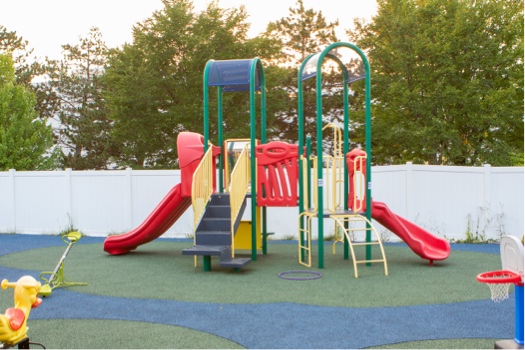
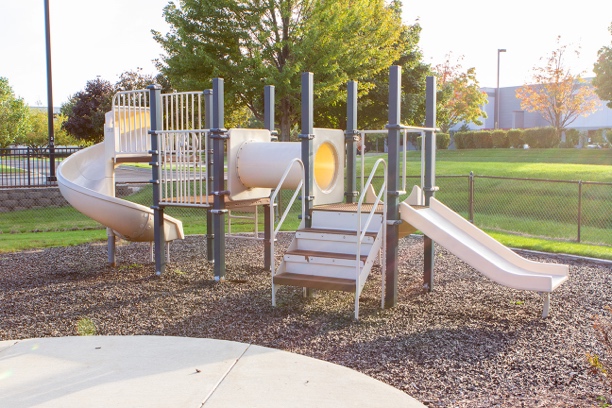
- 9:30 – 9:45 a.m.: sensory gym / playground
- 9:45 a.m. – 10:30 a.m.: snack / potty training
- 10:30 a.m. – 11:30 a.m.: individualized therapy + story time / social programs
- 11:30 a.m. – 12:00 p.m.: lunch
- 12:00 p.m. – 1:00 p.m.: nap / rest / social skills group
- 1:00 p.m. – 1:45 p.m.: individualized therapy
- 1:45 p.m. – 2:00 p.m.: individualized therapy
- 2:00 p.m. – 2:45 p.m.: life skills / individualized therapy
- 2:45 p.m. – 3:30 p.m.: snack / potty training break
- 3:30 p.m. – 4:00 p.m.: individualized therapy
- 4:00 p.m. – 4:30 p.m.: sensory gym / playground
- 4:30 p.m.: pick up


What Your Child Will Work On
Every treatment plan is personalized to each family’s goals. Skills we may work on include:
Social Skills & Communication
Peer play, turn-taking, social cues, and problem-solving.
Independent Living Skills
Potty training, dressing, toothbrushing, and self-advocacy.
Behavior Therapy
Reducing challenging behaviors and building positive replacements.
School Readiness
Following instructions, transitioning between activities, and completing independent tasks.
Safety Skills
Danger awareness, street and car safety, and more.
What to Expect
Getting started can feel overwhelming. We guide families through each step, one conversation at a time.
1. Get in Touch
Fill out our short enrollment form below or give us a call at (531) 239-3315. Our team answers your questions, verifies your insurance, and walks you through next steps.
2. Assessment
Your child’s BCBA conducts a comprehensive evaluation using the VB-MAPP, observing your child through play and getting to know your family’s goals and priorities.
3. Your Customized Treatment Plan
Based on the assessment, your child’s BCBA collaborates with you to develop a custom treatment plan.
4. Therapy Begins
Your child starts their preschool day with a dedicated team by their side. Progress is tracked daily and formally reassessed every six months.
Your Child’s Care Team
Behind every child’s progress is a team working together to keep care consistent, supportive, and personalized.
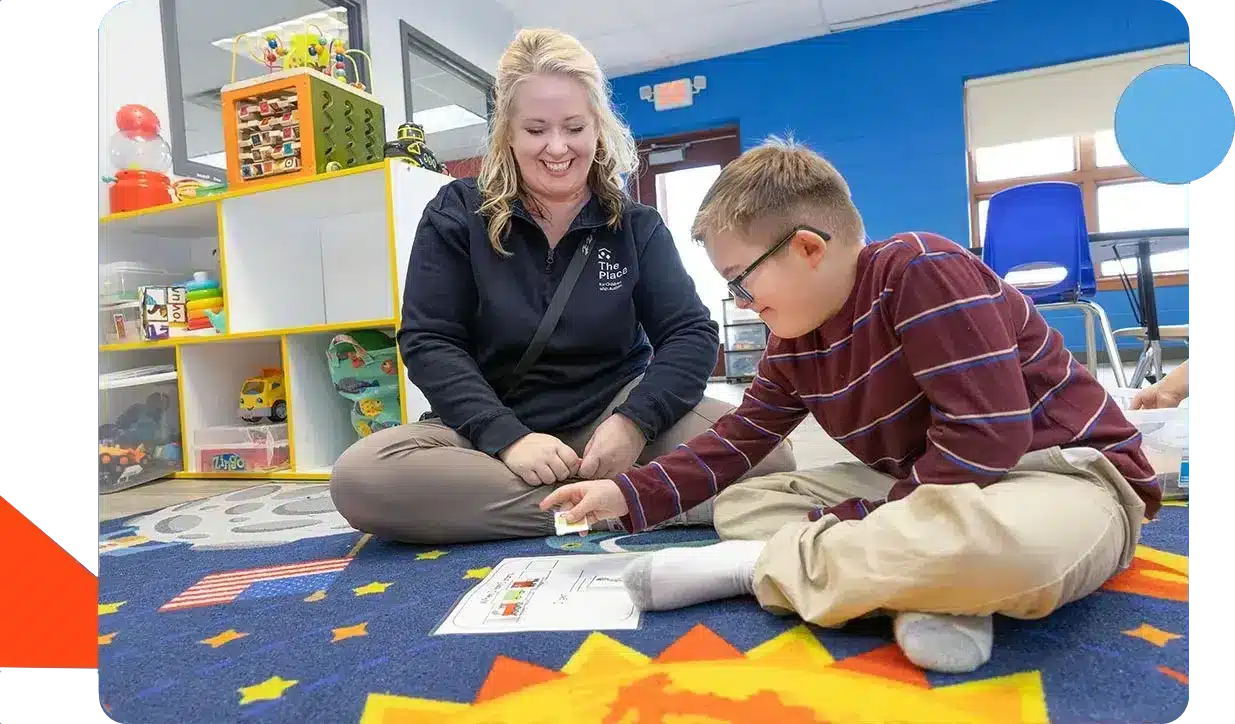
Registered Behavior Technicians (RBTs): Your child’s daily therapist and preschool companion — working 1:1 through play, encouragement, and positive reinforcement every single day.
Board Certified Behavior Analysts (BCBAs): Master’s-level clinicians who design the treatment plan, supervise every session, and monitor progress daily.
Clinical Lead Supervisor: Senior clinical support ensuring quality care and best practices across the team.
Operations Supervisor: Keeps scheduling, communication, and the day-to-day center experience running smoothly for your family.
Your Role as a Parent
At The Place, families are active partners. You’ll meet monthly with your child’s BCBA to review progress, set goals, and build strategies to support your child at home. As your child approaches school age, we begin a structured school transition plan that can start up to a year before they move on, including IEP support, school observations, and staff training.
Spanish-language support is available for families who prefer to communicate in Spanish.

Is Our Daytime Program Right for Your Child?
Our daytime program is a great fit if your child:
✓ Is between the ages of 2–9
✓ Has received a formal autism diagnosis
✓ Would benefit from full-time, structured early intervention
✓ Is not yet in school and ready for a preschool experience built around their needs
If your child is already in school and needs continued support, our After-School ABA program may be a better option.
Begin Your Journey Today
Interested in our services? Inquiring about placement for your child? Looking to tour one of our centers? Enter your information below, and one of our representatives will get in touch with you. There is no obligation to enroll.
Please note that we are not able to accept Medicaid or out-of-network private insurance plans.
Get Started
FAQs: Daytime ABA Therapy Program
What age is best for daytime ABA therapy?
Early intervention ABA therapy is often most effective during a child’s early developmental years. Our daytime ABA program is designed for children ages 2–9 who would benefit from full-time, center-based autism therapy.
Does insurance cover ABA therapy?
Many insurance plans cover medically necessary ABA therapy services. The Place works with a variety of major insurance providers, including:
- Blue Cross Blue Shield
- Anthem BCBS
- Endeavor Health
- AdvocateAuroraHealth
- Health Alliance
- ComPsych
Please note that we are not able to accept Medicaid or out-of-network private insurance plans.
For families who are uninsured or currently on Medicaid, our Family Support Services team can help connect you with marketplace plans that cover ABA therapy. We also help families identify grants and financial assistance to cover out-of-pocket costs!
What does a center-based ABA program look like?
Our center-based ABA therapy program is designed to resemble a preschool environment, with a blend of individualized therapy, group activities, social interaction, movement, and structured daily routines.
Does my child need an autism diagnosis before starting ABA therapy?
Yes. A formal autism diagnosis is required before starting ABA therapy. If your child has not yet been diagnosed, The Place offers timely autism diagnostic evaluations with an experienced pediatric psychologist.
How many hours a week is daytime ABA therapy?
Every child’s treatment plan is different. Therapy hours are based on your child’s age, developmental needs, clinical recommendations, and insurance approval.
Do parents participate in the ABA therapy program?
Yes. Families are an important part of the therapy process. Parents meet regularly with their child’s BCBA to review progress, discuss goals, and learn strategies to use at home.