
After School ABA
Continuing the Progress, After the Bell Rings.
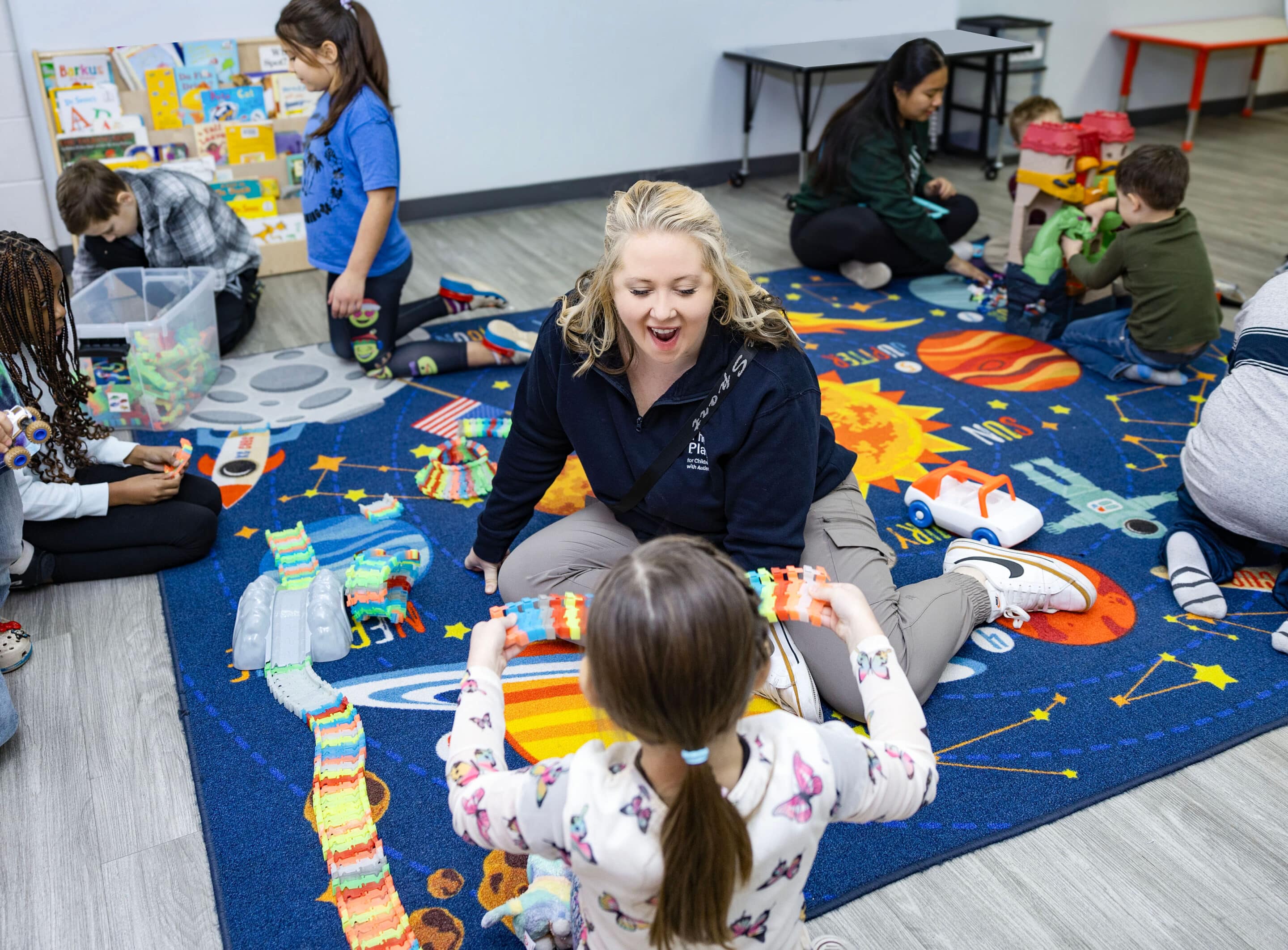
For school-age children with autism, the learning doesn’t stop when the school day ends. Our after-school ABA program provides children with ongoing support in a structured environment that aligns with their school schedule.
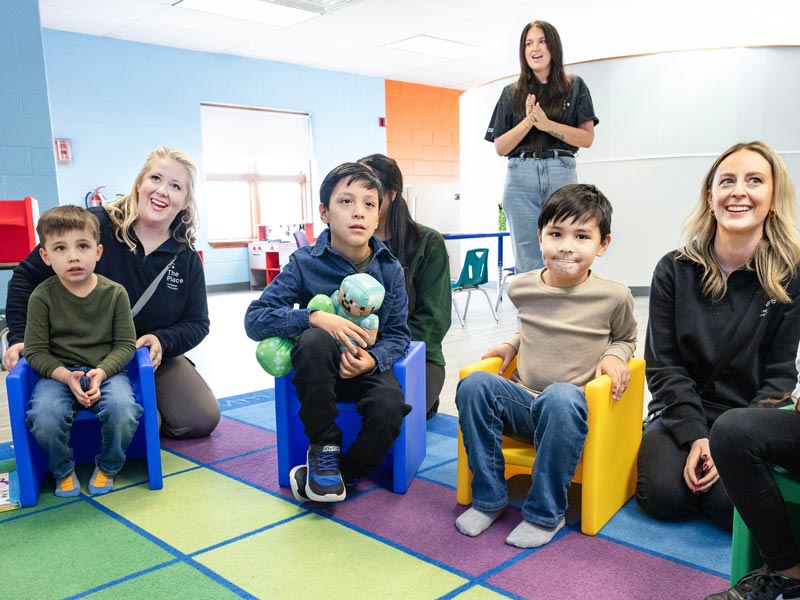
Who Our After-School Program Is Designed For
Our after-school ABA program supports children who need continued ABA support outside of school hours. Whether your child is working on communication, social skills, behavior, or independence, we meet them where they are and build from there.
Our after-school program is a great fit if your child:
- Is up to age 10
- Has received a formal autism diagnosis
- Is currently attending school and needs continued ABA support
- Would benefit from therapy that reinforces and builds on what they’re learning in the classroom
If your child is not yet in school and needs a full-time program, our Daytime ABA program may be a better fit.
How After-School ABA Works at The Place
After-school ABA combines individualized therapy, BCBA oversight, and structured skill-building tailored to your child’s needs.
1:1 Therapy
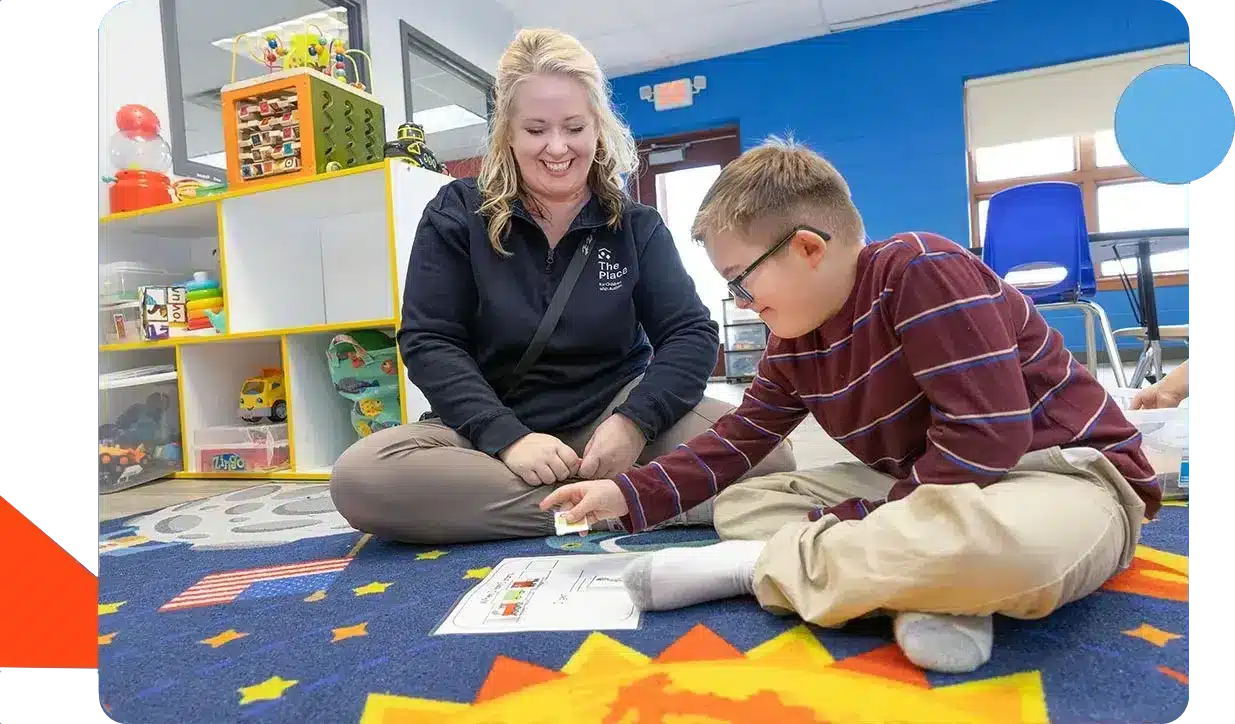
Every child receives individualized, one-on-one therapy from a trained RBT focused on their specific goals and treatment plan.
BCBA-Supervised
Your child’s highly trained BCBA designs the treatment plan, supervises every session, and continuously monitors progress.
Individualized Treatment Plan
Every plan is built around your child’s unique needs and goals, and reassessed every six months as they grow.
Play-Based and Purposeful
Sessions blend structured skill-building with play-based activities to keep children engaged and motivated.
Skills We Build in After-School ABA
After-school ABA helps children strengthen the skills they use every day at school, at home, and in social settings. This includes:
Social Skills & Communication
Conversation skills, peer relationships, teamwork, and conflict resolution.
Independent Living Skills
Organization, homework routines, hygiene, self-advocacy, and time management.
Behavior Therapy
Emotional regulation, coping skills, flexibility, and positive behavior strategies.
School Success Skills
Following directions, transitions, focus, classroom participation, independent work, and staying on task.
Executive Functioning Skills
Planning, attention, task initiation, routine completion, and adapting to change.
Peer Interaction & Group Skills
Reading social cues, collaborative play, handling disagreements, and building friendships.
Safety Skills
Community awareness, personal safety, stranger awareness, digital safety & more.
Your Child’s Day
Our after-school ABA program is designed for school-age children up to age 10. Every child receives individualized 1:1 therapy tailored to their unique strengths, challenges, and goals, with support that evolves as they grow.
Visual schedule block:
Here Is an Example Daily Schedule
- Session: 3–6 PM
1:1 therapy, social skills groups, movement activities, emotional regulation, executive functioning, and independence skills - Snack & Transition Time: 3–3:30 PM
Decompression, snack, school transition support, and peer socialization - Group Activities & Peer Interaction: 4–5 PM
Teamwork, conversation skills, flexibility, problem-solving, and collaborative activities - Individualized Skill Building: 5–6 PM
Homework routines, coping skills, behavior support, self-advocacy, and daily living skills

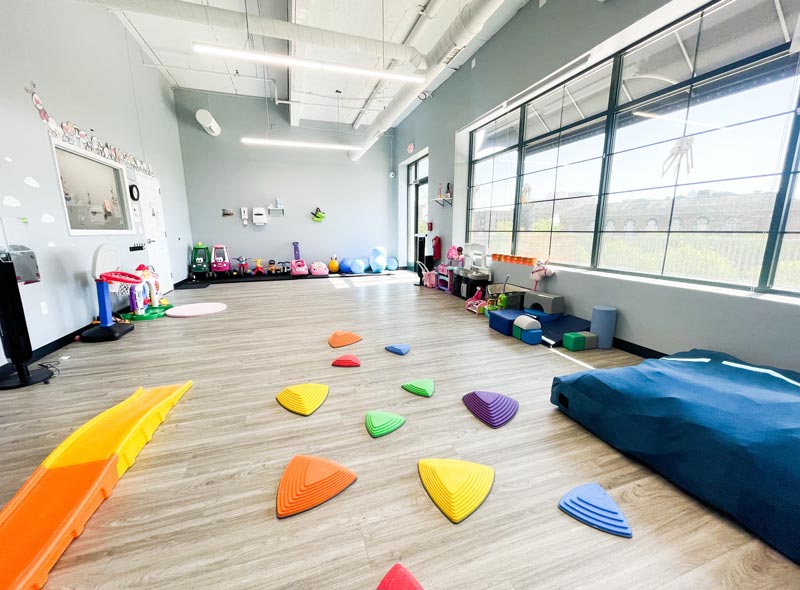
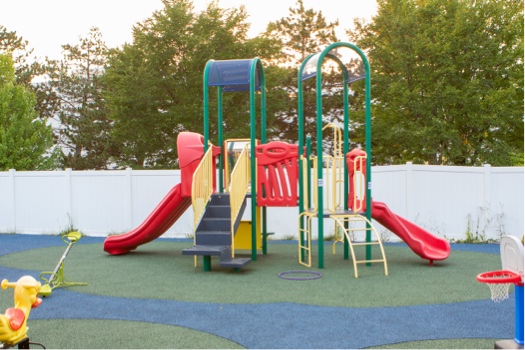
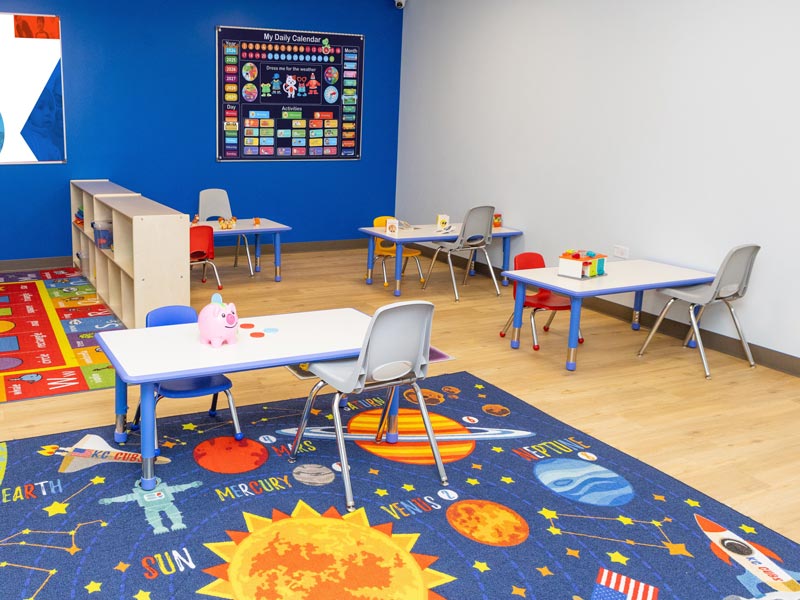

Therapy and School Working Together
Children make the strongest progress when support stays consistent across environments. Our BCBAs coordinate with teachers, IEP teams, and outside specialists to ensure therapy and school are aligned, so your child receives consistent support across all environments they’re in.
This may include:
- Attending IEP meetings
- Sharing progress reports and behavioral strategies
- Coordinating with teachers and school staff
- Supporting skill carryover between school, home, and therapy

Your Child’s Care Team
Your child’s progress is supported by a collaborative team of experts.
Registered Behavior Technicians (RBTs): Your child’s daily therapist—working 1:1 through play, encouragement, and positive reinforcement every single session.
Board Certified Behavior Analysts (BCBAs): Master’s-level clinicians who design the treatment plan, supervise every session, and monitor progress continuously.
Program Director: Senior clinical support ensuring quality care and best practices across the team.
Center Support Coordinators (CSCs): Keeps scheduling, communication, and the day-to-day experience running smoothly for your family.
What to Expect
We make getting started with after-school ABA clear, supportive, and easy to navigate for families.
1. Get in Touch
Reach out by phone or contact form. Our team answers your questions, verifies your insurance, and walks you through next steps.
2. Assessment
Your child’s BCBA conducts a comprehensive evaluation, observing your child through play and getting to know your family’s goals and priorities.
3. Your Customized Treatment Plan
Based on the assessment, your child’s BCBA develops an individualized treatment plan, which is developed collaboratively with you.
4. Therapy Begins
Your child starts their after-school program with a dedicated team by their side. Progress is tracked every session and formally reassessed every six months.
Available Locations
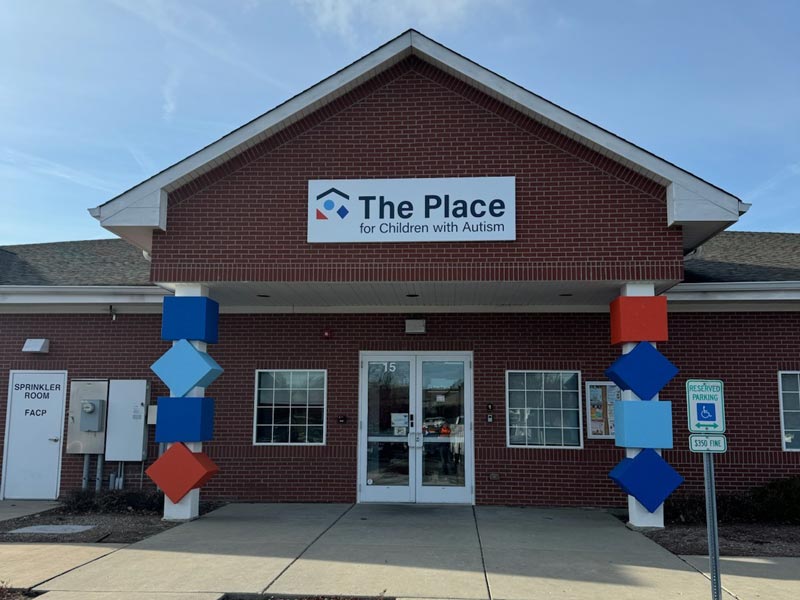
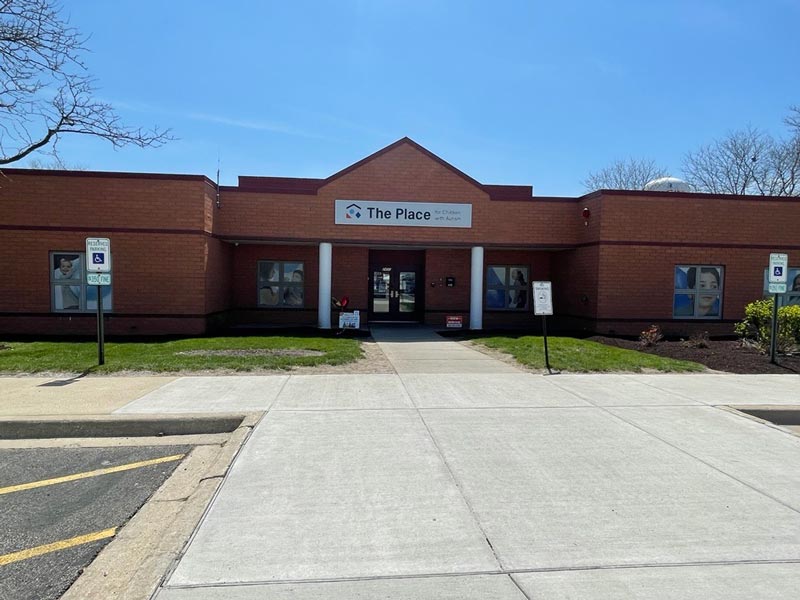
Our after-school program is currently available at three locations:

Begin Your Journey Today
Interested in our services? Inquiring about placement for your child? Looking to tour one of our centers? Enter your information below, and one of our representatives will get in touch with you. There is no obligation to enroll.
Please note that we are not able to accept Medicaid or out-of-network private insurance plans.
Get Started
FAQs: After School ABA Therapy
What age is the after-school ABA therapy program for?
Our after-school ABA program is designed for school-age children up to age 10 who need continued autism support beyond the classroom.
Can after-school ABA work alongside my child’s IEP?
Yes. Our BCBAs often coordinate with teachers, school staff, and IEP teams to support consistency across school, therapy, and home settings.
What are after-school ABA hours?
Hours may vary by location and availability, but after-school ABA is typically scheduled in the afternoon and early evening after the school day ends.
What skills are taught in after-school ABA?
Goals are tailored to each child, but after-school ABA often focuses on social interaction, emotional regulation, communication, independence, flexibility, and everyday school and home routines.
Does insurance cover after-school ABA therapy?
Many insurance plans cover medically necessary ABA therapy services. The Place works with a variety of major insurance providers, including:
- Blue Cross Blue Shield
- Anthem BCBS
- Endeavor Health
- AdvocateAuroraHealth
- Health Alliance
- ComPsych
Please note that we are not able to accept Medicaid or out-of-network private insurance plans.
For families who are uninsured or currently on Medicaid, our Family Support Services team can help connect you with marketplace plans that cover ABA therapy. We also help families identify grants and financial assistance to cover out-of-pocket costs!